
King of Kowloon: Where to See Tsang Tsou-choi's Calligraphy

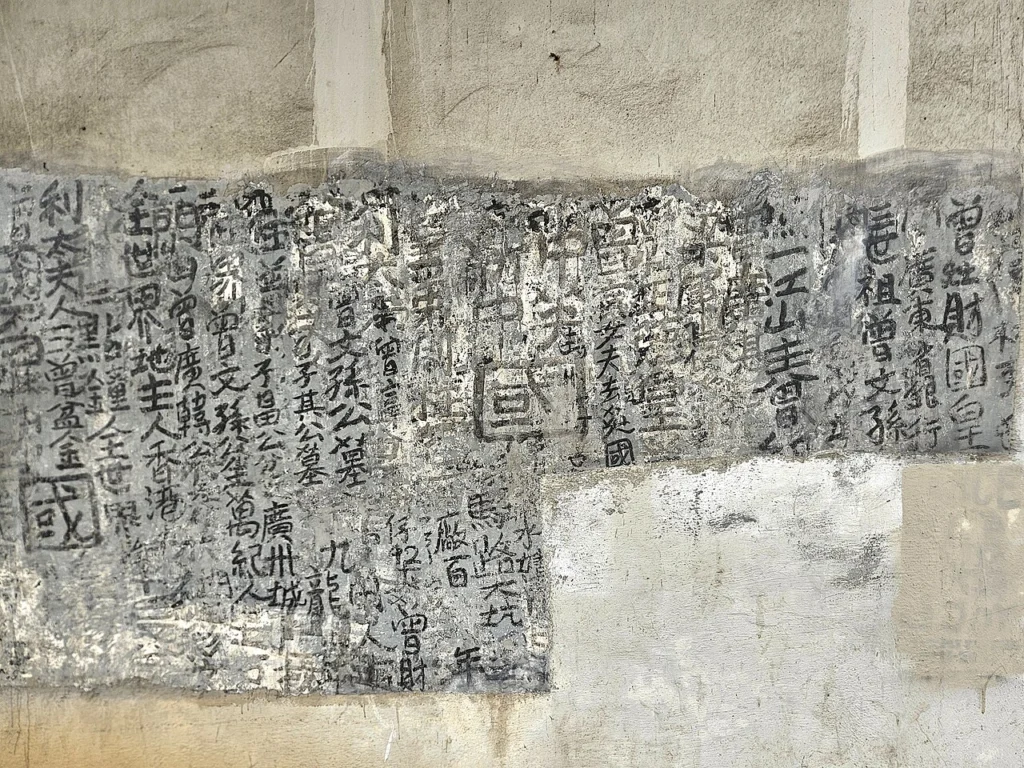
Tsang Tsou-choi (1921–2007), known as the King of Kowloon, covered Hong Kong's lamp posts, walls and utility boxes with ink calligraphy for half a century. Most of it has been painted over. A handful of works survive in place, the best known on a pillar at the Star Ferry pier in Tsim Sha Tsui and on a railway bridge barrier near Mong Kok East Station.
Who he was
According to an M+ Magazine article by the collector Willie Chung, Tsang was born in Guangdong in 1921 and moved to Hong Kong in 1937. In 1956, after reportedly finding ancestral documents, he became convinced that Kowloon belonged to his family. From then on he wrote his claim on postal boxes and lamp posts across the city, signing as the King of Kowloon, and kept writing even when his mobility was limited.
Chung met him in the 1990s and supplied him with food and writing materials until his death in 2007.
From vandalism to heritage
In April 2017 Hong Kong Free Press reported that critics considered his outdoor calligraphy to be art, and that a contractor working for the Architectural Services Department had painted over an electricity box on Kwun Tong Road that carried his phrases. The same report said the remaining spots had been gradually painted over by the government since his death, and that only three intact public works were then known. The box had carried phrases naming Tsang and his son, and the name of the public housing building where he lived.
Key works still in place
| Site | District | Condition | Source |
|---|---|---|---|
| Star Ferry pier pillar | Tsim Sha Tsui, Kowloon | Protected by an acrylic shield | Google Arts and Culture |
| Railway bridge barrier near Mong Kok East Station | Mong Kok | Restored in place by MTR, 2023 | The Standard |
| Driveway of the Academy of Visual Arts, Hong Kong Baptist University | Choi Hung | Survives on a concrete frame | Google Arts and Culture |
| Concrete structures by 434–436 Nathan Road | Yau Ma Tei | Faded, fenced off | Google Arts and Culture |
The Star Ferry pillar is his most famous surviving piece and, according to the guide, one of only two protected by the government. The Art Research Institute's walking guide on Google Arts and Culture describes columns reading "King of China/England", "King of New China" and "King of Kowloon", with relatives' names below, including his wife. It sits at the bus terminal outside the ferry entrance, inside an acrylic shield left open at top and bottom for airflow.
The Mong Kok work is the most recent find. Peeling paint on the railway bridge revealed part of it in April 2022. The Standard reported in January 2024 that the MTR Corporation had a team restore it between October and December 2023. The restored inscription measures about 5 by 1.5 meters, the largest of his works still preserved where he wrote it.
Where to see them
Start at the Star Ferry pier in Tsim Sha Tsui, which is easy to combine with the harbour front and the museums of West Kowloon. The Mong Kok bridge barrier is near Mong Kok East Station on the East Rail line. The Choi Hung and Yau Ma Tei sites suit readers already following his trail; the Nathan Road writing is faded and fenced off. Do not touch the ink or the protective panels.
Tsang's writing fits a wider history of art outside galleries in Hong Kong, covered in our guide to smaller art spaces and corners of the city. For how local institutions present Hong Kong artists today, see our overview of Hong Kong's art scene; for the commercial side, our piece on Asia's place in the art market.
More from the fair floor